

Conservative leader Kemi Badenoch said the system had become a “debt trap” for graduates.
February 26, 2026
The student loan system in England has become a focal point for political debate, as concerns grow over its fairness and financial impact on graduates. Sir Keir Starmer, leader of the Labour Party, has committed to reviewing the system to alleviate the financial strain it imposes on students. This pledge comes amid mounting criticism and calls for reform from various political figures and advocacy groups who argue that the current structure disproportionately burdens graduates.
**The Financial Strain of Student Loans**
Critics of the existing student loan framework argue that it traps graduates in a cycle of debt, exacerbated by high interest rates and frozen repayment thresholds. A recent decision to maintain the salary threshold for loan repayment has intensified these concerns, sparking debate on its fairness. The current system requires students to repay loans, which cover tuition fees up to £9,535, once their earnings exceed a certain amount. The freeze on this repayment threshold means that more graduates are compelled to begin repaying their loans sooner, potentially increasing their financial burden.
Conservative leader Kemi Badenoch has criticized the system, describing it as a “debt trap” and urging immediate action to reduce interest rates. In response, the Conservative party has proposed capping interest rates at the Retail Price Index (RPI), which would alleviate some financial pressure on graduates.
**Political Promise and Public Response**
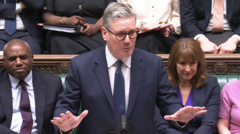
During a recent parliamentary session, Sir Keir Starmer acknowledged the flaws in the student loan system and pledged to explore measures to make it more equitable. This promise is part of a broader effort by Labour MPs to push for systemic changes, including lower interest rates and a reversal of the frozen repayment thresholds. A group of over 20 Labour MPs has already voiced their dissatisfaction with the current system, likening the loan terms to those offered by predatory lenders.
Adding to the call for reform, the Rethink Repayment campaign advocates for capping interest rates at the Consumer Prices Index (CPI) and implementing a lower repayment rate. Meanwhile, the Liberal Democrats have suggested forgiving some debt for public service professionals after a decade of service.
**Navigating Economic Considerations**
While the debate continues, Education Secretary Bridget Phillipson has defended the threshold freeze, suggesting that the financial impact on graduates is minimal, with an estimated increase of just £8 in monthly repayments. The government remains non-committal on specific changes, stating only that they are reviewing the issue and will provide updates when available.
The discourse surrounding student loans in England highlights the need for a more balanced approach that considers the financial realities faced by graduates. As political leaders deliberate potential reforms, the focus must remain on ensuring that the system supports, rather than hinders, the financial well-being of future generations.