Author: David Eseosa

  • Broadcasters Demands Stir Trouble for Asia Cup

    Broadcasters Demands Stir Trouble for Asia Cup

    The upcoming Asia Cup, set to showcase cricketing giants India and Pakistan, is facing a significant hurdle. The broadcaster has imposed exorbitant demands that could potentially jeopardize the entire event.

    Scheduled to take place in the United Arab Emirates from September 9 to 28, this year’s Asia Cup had to be relocated from India due to political tensions between Pakistan and India. However, the broadcaster’s steep pricing strategy for Pakistan’s region has thrown a wrench into the plans of local sports channels.

    The official broadcaster, holding Pan-Asia broadcast rights until 2031, is demanding an unprecedented 25% of the total broadcasting rights value from Pakistan broadcasters. This demand far exceeds the standard rate of 10-12% set by ICC and ACC guidelines. As a result, Pakistani channels are left with a tough choice – either form a joint consortium or withdraw from bidding altogether.

    A source closely involved in the negotiations highlighted the potential risks of such inflated demands, stating,

    “They [Indian broadcasters] are over-leveraged and gambling with market stability…the repercussions could destabilize the entire ecosystem.”

    With advertising revenue down and sponsorship budgets plummeting in Pakistan, these demands appear detached from commercial reality.

    Furthermore, concerns loom over a possible Pakistan-India clash during the Asia Cup pinnacle match. Uncertainty persists about whether this high-stakes encounter will even take place amid escalating tensions between both nations. This adds another layer of complexity to an already precarious situation.

    Expert analysis suggests that Indian cricketers may face pressure from their home fans if compelled to participate in matches against arch-rivals like Pakistan. There are even speculations that top Indian players might refuse to play in such circumstances. The delicate balance hangs on whether key stakeholders can navigate through these challenges effectively.

    Moreover, dwindling fan engagement due to Pakistan team’s lackluster performance in international events compounds the issue for local sports channels. A recent series loss coupled with disappointing showings have impacted market rates for TV commercials featuring Pakistani players.

    Amidst all these uncertainties, negotiations continue between Pakistani broadcasters and Asia Cup’s official broadcaster. However, reaching a favorable agreement seems increasingly challenging given the current impasse over pricing and match uncertainties looming on the horizon.

    As talks progress and time ticks away, there is growing anticipation about how this standoff will unfold – whether compromises will be reached or if one side will have to relent under mounting pressure. The outcome remains uncertain as stakeholders grapple with balancing financial considerations against preserving the integrity and excitement of one of cricket’s most anticipated events – The Asia Cup.

  • Bombas Swift Response Managing a Chemical Spill Crisis in Perai

    Bombas Swift Response Managing a Chemical Spill Crisis in Perai

    In the bustling town of Butterworth, a potentially hazardous situation unfolded at a factory in Taman Pelangi, Perai. The Penang Fire and Rescue Department sprang into action when they received an urgent call at 9.10 am. Assistant director of firefighting and rescue operations, John Sagun Francis, led the team as they raced to the scene.

    Picture this: emergency lights flashing, sirens wailing as the fire engine from the Perai Fire and Rescue Station made its way through the streets. The stakes were high as they arrived at the factory engulfed in a cloud of uncertainty.

    Ammonia, known for its pungent smell and corrosive properties, had leaked, posing a serious threat to both life and environment. It was a race against time to prevent further escalation of the situation.

    John Sagun Francis described the scene as

    “a delicate balance between containing the spill and ensuring everyone’s safety.”

    The firefighters donned their protective gear, braving the chemical fumes to assess the extent of the spill. Their expertise and quick thinking were crucial in handling this volatile scenario.

    With precision and skill, they managed to contain approximately 500 liters of ammonia before it could spread further. This successful containment prevented potential harm to workers, residents nearby, and ecosystems in the vicinity.

    Chemical spills are not just logistical challenges but also environmental concerns that require meticulous handling. The impact of such incidents can reverberate far beyond immediate surroundings if not managed effectively.

    Expert analysis sheds light on how crucial swift responses are in mitigating such crises effectively. Dr. Emma Richards, an environmental scientist specializing in chemical management, emphasizes that

    “timely intervention is vital to minimize risks associated with chemical spills.”

    The community breathed a collective sigh of relief as news spread that the situation was under control. The efforts put forth by Bomba exemplified professionalism and dedication towards safeguarding lives and property.

    As we reflect on this incident in Perai, it serves as a reminder of the invaluable role our emergency services play in keeping us safe during times of crisis. Their bravery and commitment shine bright during moments when chaos threatens to overshadow hope.

    Let this event stand as a testament to preparedness, teamwork, and unwavering resolve exhibited by our frontline heroes – our firefighters who stand ready to respond whenever duty calls.

  • Cambodias Garment Sector Tariff Reduction Prevents Industry Collapse

    Cambodias Garment Sector Tariff Reduction Prevents Industry Collapse

    Cambodia recently breathed a sigh of relief as the United States agreed to lower the tariff rate on Cambodian exports from 49% to 19%. This move has been crucial in preventing the collapse of Cambodia’s vital garment and footwear sector. Sun Chanthol, Cambodia’s Deputy Prime Minister and top trade negotiator, expressed his gratitude towards US President Donald Trump for this significant intervention.

    Chanthol emphasised the importance of this tariff reduction in maintaining the competitiveness of Cambodia’s garment industry vis-a-vis other countries like Indonesia and Vietnam. He stated,

    “If the US maintained 49% or 36%, that industry would collapse in my opinion.”

    The garment and footwear manufacturing sector is a cornerstone of Cambodia’s economy, employing nearly a million workers, predominantly women, who support multiple family members.

    The impact of a high tariff rate would not only have jeopardised the livelihoods of these workers but also had severe repercussions on Cambodia’s overall economic stability. With close to $10 billion worth of exports shipped to the US market in 2024 alone, primarily comprising textiles and shoes manufactured for global brands like Adidas and H&M, any disruption could have been catastrophic for the country.

    Acknowledging the significance of this trade relationship with Washington, Chanthol highlighted that while a framework had been agreed upon, final details of the deal are still pending. As part of this agreement, Cambodia has committed to purchasing Boeing 737 Max 8 aircraft for its national carrier, Air Cambodia, a strategic move aimed at fostering mutual benefits through trade cooperation.

    Despite facing challenges due to limited purchasing power compared to larger economies, Cambodia approached negotiations with transparency and goodwill. Chanthol remarked,

    “Our approach was we put everything on the table, negotiate in good faith, ensure both countries will benefit from this trade deal.”

    The positive outcome reflects not just an economic win for Cambodia but also underscores the value of diplomatic relations in resolving conflicts peacefully. In expressing his gratitude towards President Trump for his role in facilitating both tariff negotiations and peace efforts within Southeast Asia, specifically concerning a ceasefire between Thailand and Cambodia, Chanthol acknowledged how such interventions have far-reaching implications beyond trade agreements.

    As Cambodia continues to navigate its economic landscape amidst global uncertainties, developments like these underscore the interconnectedness of international markets and underline the significance of collaborative efforts in sustaining economic growth and stability.

    In conclusion, while tariffs may seem like distant policy decisions to many, their impact can be deeply felt by individuals struggling to make ends meet. The story behind these negotiations sheds light on how intricate threads connect nations economically, and how pivotal interventions can safeguard industries and livelihoods alike.

  • Portugals Brave Firefighters Battling Wildfires and Saving Villages

    Portugals Brave Firefighters Battling Wildfires and Saving Villages

    Portugal, a land of stunning beauty and warm hospitality, is facing a fierce enemy – wildfires. The country has deployed an army of 2,500 courageous firefighters to combat the raging infernos that threaten villages and communities.

    As the sun beats down relentlessly on the dry landscapes, flames leap from tree to tree, devouring everything in their path. The crackling of burning branches echoes through the air as smoke billows ominously into the sky.

    In this battle against nature’s fury, every firefighter becomes a hero. Clad in protective gear, they march towards the blazing heart of the inferno, risking their lives to save others. Their faces streaked with soot and sweat tell stories of courage and determination.

    “We are fighting an unpredictable enemy,”

    says Chief Fire Officer Miguel Silva, his eyes reflecting the flickering flames.

    “But we will not back down. Our mission is to protect our people and our land.”

    The evacuation sirens wail through the villages as residents scramble to safety, clutching cherished belongings and precious memories. The orange glow on the horizon serves as a grim reminder of nature’s awesome power.

    Amidst this chaos and destruction, acts of kindness shine brightly. Neighbors help each other load pets into cars, strangers offer water to weary firefighters, and volunteers distribute food to those displaced by the wildfires.

    As night falls, the battle continues under a blanket of stars. Floodlights illuminate the scorched earth as firefighters work tirelessly to contain the flames. The sound of helicopters overhead signals aerial support joining the fight from above.

    “We must stand together in times of crisis,”

    declares Mayor Sofia Almeida, her voice unwavering despite fatigue weighing heavily upon her shoulders.

    “Our unity will see us through this dark hour.”

    The scent of charred wood lingers in the air as dawn breaks on another day of uncertainty and challenges. But amidst the ashes and embers lies hope – hope for rebuilding what was lost, hope for healing scorched landscapes, and hope for a community strengthened by adversity.

    In this land where ancient traditions meet modern resilience, Portugal’s firefighters stand as guardians against nature’s wrath. Their bravery lights up even the darkest night with a beacon of courage that inspires us all to never surrender in the face of adversity.

  • Westpacs Cricket Sponsorship Attracting Migrants and Elevating the Game

    Westpacs Cricket Sponsorship Attracting Migrants and Elevating the Game

    Banking powerhouse Westpac is making strategic moves to capture the attention of newly arrived migrants hailing from cricket-loving nations like India. In a groundbreaking sponsorship deal with Cricket Australia worth approximately $40 million over four years, Westpac aims not only to enhance its brand visibility nationwide but also to tap into the vast potential of customers from cricket-centric regions.

    Anthony Miller, the enthusiastic leader at Westpac, expressed his excitement about this new venture by emphasizing the bank’s desire to engage with diverse communities across Australia. He highlighted the cultural significance of cricket in countries like India and Southeast Asia, stating,

    “There is no doubt that its appeal to India, and visitors and immigrants from India and South-East Asia is incredibly appealing for us.”

    The decision to sponsor Australian cricket teams signals Westpac’s commitment to aligning with a beloved national pastime while strategically targeting specific market segments. By placing their logo on players’ jerseys across various formats of the game played in Australia, including iconic events like the Ashes series, Westpac aims to leverage the emotional connection people have with sport as a means of fostering goodwill towards their brand.

    As Pat Cunningham, Head of Sponsorship at Westpac noted,

    “We talk about India, but there’s also the UK and New Zealand. They’re markets where we see a lot of people coming to Australia, and they’re obviously cricketing nations as well.”

    This strategic approach underscores the bank’s intention not only to attract customers but also to support inclusivity within the cricketing community.

    Moreover, this sponsorship deal represents a significant shift in partnerships within Australian cricket. With Cricket Australia parting ways with Commonwealth Bank after a long-standing commercial relationship due to evolving priorities post-scandal incidents like “sandpaper gate,

    ” Westpac saw an opportunity to step in and bolster their presence in key regions where Australian Rules Football (AFL) dominates.

    According to Emeritus Professor David Rowe from Western Sydney University specializing in cultural research, big corporations often turn to sports sponsorships as a way to connect with people’s positive emotions associated with sports. Rowe commented on banks engaging in such ventures by saying, “

    They are not the most loved institutions, and sport is… It’s still very powerful.”

    Todd Greenberg, Chief Executive Officer of Cricket Australia echoed these sentiments by highlighting how this partnership goes beyond mere branding exercises. Greenberg emphasized that through collaborative efforts both on-field performances and community engagement initiatives would be amplified under this new alliance.

    In addition to supporting local clubs and promoting women’s participation in cricket, Westpac’s sponsorship will extend towards nurturing First Nations talent within the sport. By becoming involved at various levels – from grassroots programs all the way up to international disability series held in Australia – Westpac aims not just for visibility but for meaningful impact within the sporting community.

    With these strategic moves aligned towards fostering inclusivity while enhancing brand awareness through a beloved national sport like cricket,
    Westpac is set on charting new territories both on and off-field.

  • Gobierno Confirms Departure of Nicole Cardoch to Join Jeannette Jara’s Campaign Team

    Gobierno Confirms Departure of Nicole Cardoch to Join Jeannette Jara’s Campaign Team

    As Chile’s political landscape continues to evolve, the government announces a leadership shift, signalling strategic realignments for the upcoming presidential race.

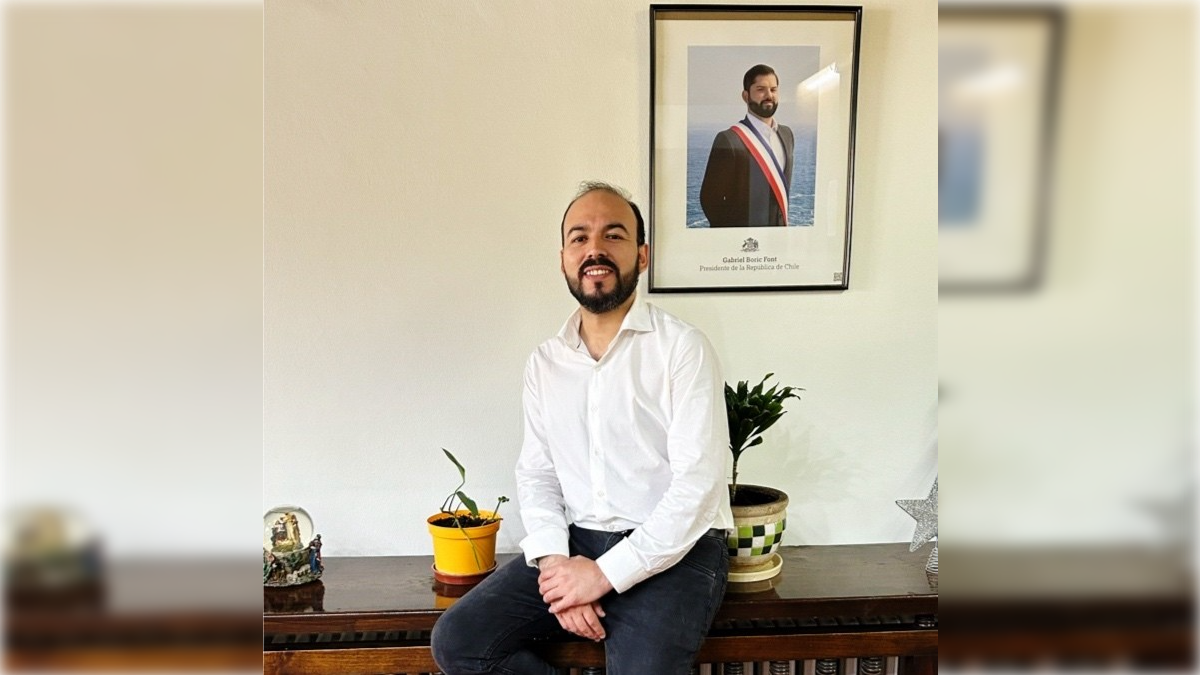
    Once again, the political landscape in Chile sees a significant shift as the government confirms the departure of Nicole Cardoch from her role as Deputy Secretary General of Government. However, the move has taken a strategic turn, with Cardoch set to join the territorial command of presidential candidate Jeannette Jara. The announcement has sparked intrigue and speculation within political circles.

    In an official statement released by the Executive, it was confirmed that President Gabriel Boric Font has accepted the resignation of Nicole Cardoch Ramos from her position in the Ministry of General Secretariat of Government. The government expressed appreciation for Cardoch’s dedication and contributions during her tenure.

    Simultaneously, it was announced that Erwin Díaz Asenjo, a member of the Socialist Party (PS), will assume the role of Deputy Secretary.


    Who is Erwin Díaz Asenjo?

    Díaz Asenjo brings considerable experience to the position. He holds a degree in public administration from the University of San Sebastián and a master’s in public management from the University of Central Chile. Most recently, he served as Chief of Staff to Deputy Secretary General of the Presidency Nicolás Facuse, demonstrating familiarity with high-level governmental operations.

    Notably, Díaz Asenjo worked closely with Nicole Cardoch between 2023 and 2025, suggesting a potential continuation of key strategies already in motion. His appointment may indicate a desire for policy and operational consistency during a politically sensitive time.

    Additionally, Díaz Asenjo is recognised as a trusted adviser to Socialist Party Secretary General Camilo Escalona, reinforcing the idea that this appointment represents more than just a procedural replacement—it signals political alignment.


    Strategic Continuity and Party Realignment

    The inclusion of Erwin Díaz Asenjo in the government’s leadership appears to be a strategic move aimed at preserving party cohesion and ensuring continuity. As Chile prepares for the next electoral cycle, such appointments may play a key role in policy direction and internal stability.

    This internal reshuffle is not only about maintaining government functions but also about reshaping political influence across the broader landscape. The Socialist Party’s presence in high-level appointments may indicate a consolidation of influence ahead of the 2025 elections.


    Cardoch’s New Role in Jara’s Campaign

    As Nicole Cardoch transitions to support Jeannette Jara’s presidential campaign, her government experience is expected to bring strategic insight to the campaign’s territorial efforts. Her move reflects how party loyalty, strategic planning, and electoral coordination are deeply interconnected in Chilean politics.

    Her expertise in communication and internal government strategy will likely strengthen Jara’s organisational capacity on the ground—particularly in mobilising regional and local networks.


    Conclusion

    The departure of Nicole Cardoch and the appointment of Erwin Díaz Asenjo illustrate the fluid nature of political leadership in Chile. This transition underscores the calculated realignments that often precede pivotal electoral moments.

    As Chile moves closer to the 2025 presidential race, such changes reflect not only operational decisions but also deeper strategic efforts to shape political direction, reinforce alliances, and prepare for the challenges ahead.

    Read more

  • China Surges Ahead in AI Research: Dominating Global Publications

    China Surges Ahead in AI Research: Dominating Global Publications

    A recent surge in artificial intelligence research output positions China as the global frontrunner, leaving traditional tech powers playing catch-up.

    In the rapidly evolving world of artificial intelligence (AI), a remarkable development has captured the attention of the global research community. According to a recent infographic shared on Reddit’s r/China forum, Chinese researchers are now responsible for over half of all AI-related academic publications worldwide. The figures are striking: China leads with 51.0%, followed by the United States at 18.6%, with countries such as South Korea, the United Kingdom, and Germany trailing significantly behind.

    “This data not only highlights China’s meteoric rise in AI research,” the post notes, “but also signals a broader transformation in the global technology landscape.”


    Strategic Vision Behind China’s AI Dominance

    China’s ascendancy in AI is no accident. It is the result of deliberate long-term planning, substantial investment, and policy-driven coordination. Over the past decade, the Chinese government has prioritised AI as a key pillar of national development. From establishing world-class research institutions to fostering close collaboration between academia and private industry, the country has built a highly productive AI ecosystem.

    Initiatives such as the Next Generation Artificial Intelligence Development Plan, launched in 2017, aim to establish China as the global leader in AI by 2030. The momentum built through these strategies is now clearly reflected in the country’s research output.

    China’s ascendancy in AI research is not merely a numerical feat but a reflection of the country’s deliberate strategy to become a powerhouse in technology and innovation.

    From Quantity to Quality: China’s Expanding Influence

    While China’s numerical lead is notable, what stands out even more is the growing quality and global impact of its research. Chinese institutions are consistently producing breakthroughs in areas such as machine learning, natural language processing, robotics, and computer vision. Journals and conferences that once centred around Western research hubs are now regularly highlighting Chinese-led innovations.

    According to a Nature research brief, “China and the United States currently dominate both the volume and citation impact of AI research worldwide.” Supporting this, recent trends indicate a broader geographic shift, as the centre of gravity for AI innovation moves away from Silicon Valley and increasingly towards Beijing, Shenzhen, and Hangzhou.

    The rise of China in AI research signifies a broader recalibration of the global technological landscape, with implications that extend far beyond academic publications.

    Global Implications for Innovation and Competition

    China’s dominance in AI publications is reshaping not only the academic field but also the competitive dynamics of the global tech industry. With its growing talent base, extensive datasets, and robust government backing, Chinese organisations are well-positioned to lead in the development of next-generation AI systems.

    “This trend isn’t just about science,” one Reddit commenter observed. “It’s about how economic and geopolitical influence is shifting in real time.”

    The shift raises complex global questions about intellectual property, ethics, standard-setting, and international cooperation. Can global firms and institutions keep up? Will collaboration be hindered by rising geopolitical tensions?

    China’s dominance in AI research has the dual effect of spurring innovation and raising questions about intellectual property rights, ethics, and international collaboration in the field.

    Technology, Society, and the Global Power Balance

    The integration of AI into key sectors, healthcare, finance, transport, and defence, means that leadership in AI research translates into broader geopolitical influence. China’s strategic advantage in this field enables it not only to shape technological development but also to influence how that technology is applied and governed.

    “As AI becomes more deeply embedded in everyday life,” notes to World Economic Forum report, “the nations shaping the development pipeline will likely steer the standards, ethics, and frameworks used globally.”

    As AI systems become embedded in societal infrastructure, the risks surrounding data privacy, algorithmic bias, and transparency become increasingly urgent. Countries lagging behind m ay find themselves adopting standards and technologies developed elsewhere.

    The convergence of AI research, industry applications, and policy decisions underscores the transformative power of technology and the imperative for ethical considerations in its deployment.

    China’s dominance in AI research is more than just a numerical achievement; it is a reflection of a deliberate national strategy to become a leader in the most transformative field of the 21st century. It signals a reordering of global innovation dynamics, where influence is no longer confined to traditional tech centres.

    As stakeholders across the world adjust to this shift, the ability to engage with, understand, and respond to China’s AI growth will be crucial. The future of AI will not be shaped by one country alone, but China’s role in that future is already undeniable.

    Read more

  • Forest-Rich Areas in Asian Countries by Percentage: A Visual Insight into Sustainability and Biodiversity

    Forest-Rich Areas in Asian Countries by Percentage: A Visual Insight into Sustainability and Biodiversity

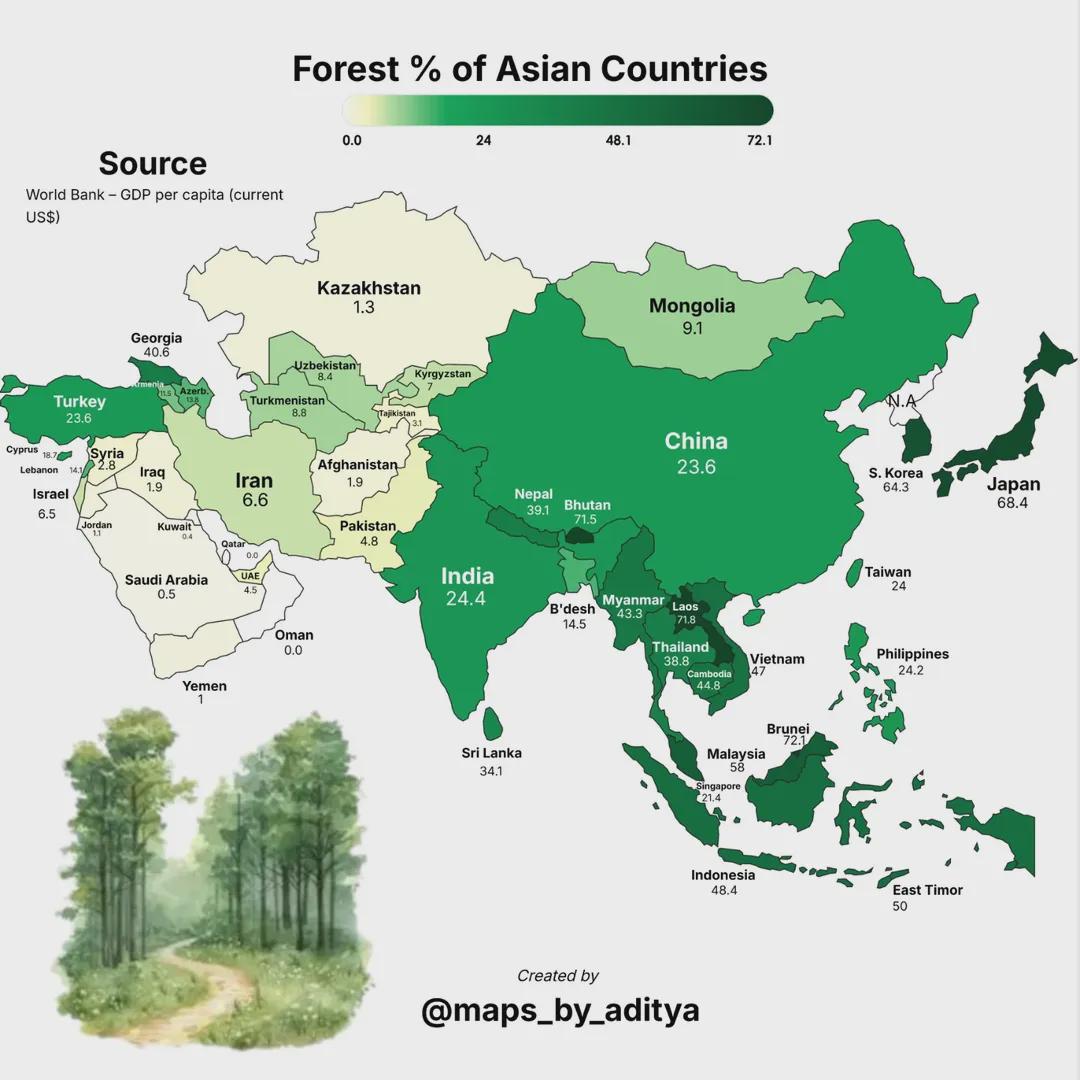
    Have you ever wondered about the lush green forests that stretch across vast expanses of Asia? A recent infographic shared by @maps_by_aditya offers a compelling visual insight into the forest-rich areas in Asian countries, measured as a percentage of total land area. Sourced from the

    Have you ever wondered about the lush green forests that stretch across vast expanses of Asia? A recent infographic shared by @maps_by_aditya offers a compelling visual insight into the forest-rich areas in Asian countries, measured as a percentage of total land area. Sourced from the World Bank, this data does more than highlight statistics; it paints a vivid picture of the environmental significance of forests and the delicate balancing act between human development and nature conservation.

    Forests are essential to maintaining ecological equilibrium, supporting biodiversity, and regulating global and regional climate patterns. Across many Asian nations, forests serve not only as natural habitats but also as critical sources of livelihood for indigenous and rural communities. Analysing the extent of forest cover in these countries provides valuable insights into their dedication to environmental sustainability, as well as the complex challenges they face in protecting these vital ecosystems.

    The infographic presents a varied landscape, a mosaic of forest coverage percentages that reveal both remarkable preservation and concerning depletion. Countries such as Indonesia, home to some of the world’s most extensive rainforests, emerge as key guardians of regional green cover. In contrast, others facing ongoing deforestation issues underscore the urgent need for strengthened conservation policies and sustainable land management practices.

    This data does more than highlight statistics; it paints a vivid picture of the environmental significance of forests and the delicate balancing act between human development and nature conservation.

    Forests are essential to maintaining ecological equilibrium, supporting biodiversity, and regulating global and regional climate patterns. Across many Asian nations, forests serve not only as natural habitats but also as critical sources of livelihood for indigenous and rural communities. Analysing the extent of forest cover in these countries provides valuable insights into their dedication to environmental sustainability, as well as the complex challenges they face in protecting these vital ecosystems.

    The infographic presents a varied landscape, a mosaic of forest coverage percentages that reveal both remarkable preservation and concerning depletion. Countries such as Indonesia, home to some of the world’s most extensive rainforests, emerge as key guardians of regional green cover. In contrast, others facing ongoing deforestation issues underscore the urgent need for strengthened conservation policies and sustainable land management practices.

    The visual representation of forest cover percentages serves as a vivid reminder of the interconnectedness between nature, society, and policy decisions.

    This renewed interest in environmental data highlights the power of visual storytelling in shaping public discourse. Infographics, like the one shared on Reddit, transform complex datasets into accessible insights, making it easier for people to connect emotionally with pressing ecological issues. When communities can visualise the scale of forest coverage or loss, it deepens understanding and can inspire action beyond digital platforms.

    Moreover, the viral spread of such content demonstrates the role of online communities in amplifying awareness. Platforms like Reddit serve not just as spaces for commentary but as catalysts for education, collaboration, and even policy advocacy. When users engage with environmental data at this level, it becomes clear that digital engagement can translate into real-world environmental stewardship.

    Educators, researchers, and campaigners can leverage these conversations to initiate broader discussions around climate change, land use policies, and conservation strategies across Asia and beyond. By encouraging local dialogues grounded in data, communities are more likely to advocate for sustainable land management and stronger environmental protections in their respective countries.

    Ultimately, this intersection of open data, public interest, and community dialogue points to a hopeful shift: one where environmental responsibility is no longer limited to policymakers but is embraced as a collective mission. As the conversation continues, the challenge lies in transforming this shared awareness into consistent action that safeguards our forests, and our future.

    As users engage with the content, they are not just passive viewers but active participants in a global dialogue on environmental stewardship and the preservation of our planet’s biodiversity.

    This interactive exchange of ideas and perspectives amplifies the impact of the infographic beyond mere data interpretation, transforming it into a catalyst for environmental consciousness and advocacy within online communities.

    Analyzing the broader trends illuminated by the forest cover percentages in Asian countries, we gain insights into the complex interplay of economic development, conservation policies, and climate change mitigation efforts. Countries that prioritize sustainable forest management practices demonstrate a commitment to long-term environmental resilience and biodiversity conservation. Conversely, regions experiencing rapid deforestation underscore the urgent need for collaborative strategies to address environmental degradation and habitat loss.

    The juxtaposition of forest-rich and deforested areas in the infographic serves as a poignant visual narrative of the dual challenges and opportunities inherent in balancing human needs with ecological preservation.

    It compels us to rethink our relationship with nature and consider alternative approaches to development that prioritize environmental sustainability and harmonious coexistence with the natural world. By examining these trends through a critical lens, we pave the way for informed decision-making and proactive measures to address pressing environmental concerns on a global scale.

    In conclusion, the exploration of forest-rich areas in Asian countries through the lens of percentage data transcends numerical values to unveil a profound story of environmental interconnectedness, human impact, and collective responsibility. The infographic not only serves as a visual representation of forest cover but as a mirror reflecting our attitudes towards conservation, sustainability, and the legacy we leave for future generations.

    Through continued engagement with such visual narratives and active participation in environmental discourse, we have the power to effect positive change, preserve our natural heritage, and nurture a sustainable future for all life on Earth.

    As we navigate the complexities of a rapidly changing world, let us heed the lessons embedded in the forests’ silent greenery and strive to be stewards of the Earth, mindful of the interconnected web of life that sustains us all.

    Related Article

  • Jamie Malonzo Leaves Ginebra to Join Japan’s B.League Side Kyoto Hannaryz

    Jamie Malonzo Leaves Ginebra to Join Japan’s B.League Side Kyoto Hannaryz

    The high-flying Filipino forward marks his 29th birthday with a shock move abroad, signalling a bold new chapter in his basketball journey.

    Jamie Malonzo’s sudden departure from Barangay Ginebra San Miguel to join Kyoto Hannaryz in Japan’s B.League has sent shockwaves through the basketball world. The announcement, made on social media by the Japanese club on Malonzo’s 29th birthday, caught many fans by surprise and sparked widespread discussion among PBA supporters and international basketball circles.

    Malonzo, regarded as a core player for Ginebra, had only recently renewed his commitment to the team by signing a two-year deal in October 2023. His decision to make the move to Kyoto came at a pivotal moment, as he was actively preparing with Gilas Pilipinas in Jeddah, Saudi Arabia,symbolises for the upcoming FIBA Asia Cup, led by national team coach Tim Cone, his former mentor at Ginebra. Being selected as part of Cone’s final 12-man squad highlighted Malonzo’s value and growing presence on the international stage.

    The road to this transition wasn’t without its setbacks. A calf injury during the 2024 Philippine Cup forced Malonzo to sit out the start of the season. However, his determination and work ethic paid off as he returned to action during the Commissioner’s Cup, making a significant contribution to Ginebra’s campaign until their eventual semi-final exit at the hands of San Miguel Beer.

    Now, Malonzo begins a new chapter with Kyoto Hannaryz, a team competing in the West division of Japan’s competitive B.League. Kyoto wrapped up the 2024-25 season with a respectable 33-27 record, narrowly missing the playoffs. The club previously featured former Phoenix star Matthew Wright as their Asian import and will now look to Malonzo to inject fresh energy and versatility into their roster.

    Malonzo’s move to Kyoto signifies a significant shift in his career trajectory, presenting him with a fresh challenge and an opportunity to showcase his skills on a different stage.

    The B.League, renowned for its fast-paced and high-calibre competition, offers Malonzo a new platform to sharpen his skills and adapt to a different style of play. His versatility and athleticism are expected to translate well in Japan’s basketball environment, potentially elevating his profile as an emerging international talent.

    This move represents not only a fresh chapter in Malonzo’s professional career but also reflects the broader transformation of global basketball. More players are now pursuing opportunities beyond their home leagues, aiming to expand their experiences and test their abilities in diverse international settings. Such cross-cultural exchanges of talent not only enhance the competitive landscape but also foster deeper connections between fans, teams, and nations.

    As Malonzo begins his journey with Kyoto Hannaryz, his supporters are eager to witness how he evolves in this new environment. The blend of his dynamic, high-energy playing style with the strategic precision of Japanese basketball promises an exciting storyline for followers of the game. His transition to the B.League is expected to be both a personal milestone and a compelling narrative in the ongoing rise of Southeast Asian basketball talent on the global stage.

    Malonzo’s decision reflects the ever-evolving nature of basketball, where players constantly seek new challenges and experiences to push their boundaries and leave a lasting legacy in the sport.

    Jamie Malonzo’s move to Kyoto Hannaryz represents far more than a routine transfer between teams; it marks a bold step forward in both his personal and professional development. His journey embodies the spirit of ambition, resilience, and exploration that drives athletes to seek new challenges, push their boundaries, and inspire others in the process. As he embarks on this next chapter of his career, the basketball world watches with keen interest, eager to see how this talented forward will evolve on the international stage.

    Read more

  • Police Officer in Pohjanmaa Accused of Leaking Classified Information in Years-Long Scandal

    Police Officer in Pohjanmaa Accused of Leaking Classified Information in Years-Long Scandal

    A senior constable faces investigation after allegedly breaching official secrets between 2021 and 2025, shaking public trust in Finland’s law enforcement.

    It was a quiet morning in Pohjanmaa, the sun casting a gentle glow across the peaceful landscape. But beneath this calm surface, a storm was gathering within the local police force. Rumours had been circulating for months, whispers of a breach of trust that would soon shake the community to its core.

    As the day progressed, troubling details began to surface. A veteran police officer had allegedly been leaking classified information for years, sending shockwaves through the tight-knit town. According to Helsingin Sanomat, the unfolding scandal revealed a web of deceit and betrayal that few had suspected.

    The officer in question, a senior constable, came under official scrutiny earlier this year when a criminal investigation was launched into his activities. Authorities acted swiftly, removing him from duty and detaining him for questioning — a move that rattled the local police department and captured national attention.

    “Continued employment of the officer could have posed a significant threat to public safety in a short period of time,”

    While the precise nature of the leaked information and its intended recipients remain unknown, the incident has left the community deeply unsettled. The alleged breaches occurred in Seinäjoki between 2021 and 2025, during which time the officer reportedly violated official secrecy laws and neglected his professional responsibilities.

    If found guilty, he could face up to two years in prison. Authorities have also identified a second suspect, accused of encouraging and possibly benefiting from the constable’s illegal activities.

    Legal experts warn that the implications of this case reach far beyond the local level.

    “The repercussions of such actions extend far beyond the confines of this case, raising questions about the integrity of our law enforcement agencies and the safeguards in place to protect sensitive information.”

    remarked a legal expert, underlining the broader implications of this scandal. The erosion of public trust in the police force could have far-reaching consequences, casting a shadow over the entire region.

    As the investigation continues, the residents of Pohjanmaa brace for further revelations. With rumours still swirling and details slowly emerging, many are left wondering whether more officials could be implicated in what appears to be a deeper and more complex scheme.

    In the wake of such betrayal, one truth stands clear: the path to restoring confidence will not be easy. The damage caused by this breach of confidentiality has left a deep scar, one that will take time, transparency, and accountability to heal.

    As the sun sets once again over Pohjanmaa, long shadows stretch across the landscape, a metaphor for the uncertainty and mistrust now lingering in a town that once prided itself on quiet order.

    .

    Read more

Top Categories