Author: David Eseosa

  • Helsinki Hosts High-Stakes OSCE Conference as Ukraine Demands Reform and Accountability

    Helsinki Hosts High-Stakes OSCE Conference as Ukraine Demands Reform and Accountability

    Amid global instability and rising conflict, Ukrainian officials call out failures of the international system while Finland renews its commitment to multilateral diplomacy.

    The Organization for Security and Co-operation in Europe (OSCE) conference in Helsinki has become a dynamic hub of international diplomacy, bringing together leaders and diplomats from across the globe to confront urgent challenges in security, cooperation, and humanitarian law. As the conference progresses, it is clear that the international landscape is more volatile than ever, demanding renewed attention, dialogue, and decisive action.

    A key voice at the conference, Ukrainian Deputy Foreign Minister Andrii Sybiha, delivered a sobering critique of the global system and the OSCE itself. Speaking candidly, he condemned the failure of international institutions to prevent conflict and violence in Europe, with Ukraine continuing to bear the cost of these shortcomings daily. Sybiha urged meaningful reforms to international humanitarian law and called for stronger collective action to uphold peace and justice.

    The conference takes place amid heightened geopolitical concerns, including Palestinian statehood recognition and ongoing anti-corruption reforms in Ukraine. Outside Finlandia Hall, Palestinian protesters made their voices heard, demanding international recognition and accountability. Their presence served as a powerful reminder of the tensions simmering both within and beyond Europe’s borders.

    Reflecting on the historical weight of the first OSCE (then CSCE) meeting held 50 years ago in Helsinki, Finnish statesman Erkki Tuomioja recalled its lasting influence on European diplomacy. However, he warned that recent breaches of the OSCE’s founding principles have eroded progress. The increasing disregard for international norms, he said, reflects a troubling shift in today’s global order.

    With over a thousand attendees navigating tight security and high-stakes discussions, the conference has emerged as a platform for both urgent warnings and calls for unity. Sybiha’s impassioned address, which called for international pressure on Russia to halt its aggression and honour commitments to European security, drew strong support from the gathered delegates. His plea underscored shared values and a regional resolve to defend peace, sovereignty, and human rights.

    The conference also spotlighted growing solidarity between Ukraine and Finland, with both nations reinforcing mutual support amid external threats. The symbolism of this partnership offers a glimmer of optimism in an otherwise tense political climate.

    As Europe contends with deepening conflict, shifting alliances, and global instability, the OSCE conference in Helsinki reaffirms the value of multilateralism and sustained dialogue. Far more than ceremonial, the gathering represents an urgent effort to reset international cooperation and confront the pressing realities of today’s geopolitical crises.

    The resounding message from the event is clear: the international community must recommit to upholding the rule of law, defending shared principles, and building bridges, not barriers. In an era marked by uncertainty, forums like the OSCE remain vital to preserving peace, accountability, and cooperation on the global stage. 
    Read more

  • UK fights to preserve animal welfare standards in Brexit reset deal

    UK fights to preserve animal welfare standards in Brexit reset deal

    Brexit Britain is striving to carve out a unique identity post-EU departure, not by embracing low taxes or deregulation but by championing animal welfare. The recent announcement by Keir Starmer to align with EU rules on agriculture and food standards aims to facilitate smoother trade with the UK’s largest neighbor. However, behind the scenes, London is advocating for an exception to maintain the stringent animal welfare standards established since Brexit.

    Last year, the UK made headlines by banning the export of live animals for slaughter, a move applauded by NGOs for prioritizing animal welfare over trade convenience. This prohibition, in contrast to the EU’s stance, was justified by the UK government as a measure to reduce unnecessary stress on animals. Additionally, London has taken steps to protect sea birds and sand eels from overfishing by EU fleets and is contemplating legislation to remove foie gras from British menus, indicative of a divergence from previous EU regulations that necessitated alignment for seamless trade.

    In the upcoming U.K.-EU talks, London is pushing for a specific carve-out on animal welfare within the Sanitary and Phytosanitary Agreement. This move reflects the government’s commitment to upholding high standards rather than engaging in a regulatory race to the bottom. The negotiations are pivotal in determining the future trajectory of UK-EU relations, with both parties expected to navigate complex issues such as exceptions for selective-bred crops and animal welfare considerations.

    Professor Emily Lydgate highlighted the significance of the UK’s pursuit of higher animal welfare standards within the trade agreement, drawing parallels to Switzerland’s agreement with the EU that safeguarded its animal welfare regulations. This strategic exemption not only aligns with the British government’s priorities but also resonates with public sentiment regarding animal welfare. The UK’s emphasis on maintaining and improving animal welfare laws reflects a broader societal concern that transcends political affiliations.

    The intricacies of the SPS deal extend beyond mere regulatory alignment, encompassing ethical considerations and public perception. Edie Bowles from The Animal Law Foundation emphasized the need for robust animal welfare standards that prevent the undercutting of domestic regulations by imports adhering to lower standards. The public’s fervent support for stringent animal welfare measures underscores the importance of negotiating agreements that foster a race to the top rather than compromising on existing standards.

    As negotiations progress, there may be instances where compromises are inevitable. The evolving landscape of animal welfare regulations, such as the legalization of handling chickens by their legs, underscores the dynamic nature of these discussions. The public’s expectation for a mutually beneficial agreement that promotes high standards on both sides underscores the need for a collaborative approach that prioritizes animal welfare above all else.

    The UK government’s commitment to setting high animal welfare standards is a cornerstone of its negotiation strategy, emphasizing the importance of ethical considerations in trade agreements. The impending finalization of the SPS agreement signifies a crucial juncture in UK-EU relations, where the alignment of values and standards will shape the future landscape of trade and cooperation. Amidst evolving policies and negotiations, the preservation of animal welfare standards emerges as a central tenet of the UK’s post-Brexit identity, reflecting a commitment to ethical governance and public welfare.

    Read more

  • Sauna Innovations: Harvia and Toyotas Journey to a Carbon-Free Sauna

    Sauna Innovations: Harvia and Toyotas Journey to a Carbon-Free Sauna

    Saunas, a staple in Finnish and global culture, are traditionally heated using electricity or wood. However, an innovative collaboration between Harvia and Toyota has birthed a sauna that operates on hydrogen, marking a groundbreaking shift in sauna technology. As a large trailer is towed to the Jyväskylä harbour square, curiosity is piqued by the mysterious dark box mounted atop it, revolutionisingemphasises the result of Harvia and Toyota’s partnership, a hydrogen sauna. Unlike conventional saunas, this sauna eschews electricity and wood, instead utilising hydrogen combustion for heat. Remarkably, its emissions consist solely of water and warmth, eliminating the need for a chimney as the steam produced during combustion enriches the sauna’s atmosphere.

    Hydrogen, being the most abundant element in the universe, offers a sustainable fuel source that never depletes. However, on Earth, extracting hydrogen from water through electrolysis consumes energy, predominantly sourced from renewables, to yield “green hydrogen.” Yet, a drawback lies in the inefficiency of this process, with approximately a third of the energy being lost as heat. Despite this, hydrogen presents a viable solution for energy storage when surplus energy is generated. Timo Harvia, Harvia’s Chief Innovation and Technology Officer, underscores the potential of hydrogen as an energy storage method, highlighting its application in diverse sectors, including automotive and sauna industries.

    The hydrogen sauna, reportedly the only one of its kind globally, stands as a testament to technological innovation. While commercial plans for this unique sauna remain tentative, the prospect of integrating it into sauna boats or public sauna spaces is deemed promising by Timo Harvia. Toyota, renowned for its automotive prowess, has been engaged in hydrogen-related research for decades, culminating in the development of hydrogen combustion technology that enabled the creation of the hydrogen sauna. Mitsumasa Yamagata, President of Hydrogen Factory at Toyota, emphasizes the company’s commitment to offering eco-friendly solutions, positioning hydrogen-powered saunas as a step towards a carbon-neutral future.

    Central to the sauna experience is the quality of steam generated. Harvia’s hydrogen sauna is meticulously designed to recreate the ambiance of a traditional smoke sauna, with a focus on providing gentle, enveloping heat. The hydrogen combustion system directs flames and hot air through the sauna’s stones, ensuring uniform heating from all directions. This process envelops the space in a soft warmth, producing a pleasant steam that mirrors the essence of a rustic smoke sauna, as attested by test sauna sessions aboard the trailer-mounted miniature sauna.

    In essence, the collaboration between Harvia and Toyota symbolises a harmonious blend of tradition and innovation, offering a glimpse into the future of sustainable sauna technology. The hydrogen sauna not only revolutionizes the way saunas are heated but also underscores the potential of hydrogen as a clean energy source across various applications. As the world transitions towards eco-conscious practices, initiatives like the hydrogen sauna serve as beacons of progress, paving the way for a greener, more sustainable future where even the simplest of pleasures, like a sauna session, can be enjoyed with minimal environmental impact.

    Read more

  • Why Corporate Britain Is Quietly Courting Nigel Farage and Reform UK

    Why Corporate Britain Is Quietly Courting Nigel Farage and Reform UK

    As Reform UK’s political stock rises, a new set of stakeholders enters the room: British businesses seeking early influence, despite reputational risks.

    Corporate Britain is abuzz with anticipation ahead of Reform UK’s annual conference, which has emerged as a surprising but significant date in the political calendar. For lobbyists and business leaders, the event presents a unique opportunity to engage with the party’s figurehead, Nigel Farage, a man as polarising as he is influential. Despite lingering apprehension surrounding Farage’s public image, Reform UK’s rising prominence in national polling and local elections is drawing serious attention from Britain’s corporate and lobbying circles.

    The party’s September conference, set to take place at Birmingham’s National Exhibition Centre, will mark a departure from the more traditional political gatherings hosted by the main parties. Sharing venue space with a Vtuber convention, the event reflects Reform’s unconventional approach and outsider brand. According to Ian Silvera of SEC Newgate, there is genuine and growing interest among businesses in understanding Reform UK’s policy direction and engaging directly with its leading figures. For corporate delegates more accustomed to the polished platforms of Labour or the Conservatives, this requires a notable shift in tone and expectations.

    As Reform’s support grows at the grassroots level, public affairs professionals are beginning to acknowledge the strategic importance of building relationships with the party’s emerging local councillors. One anonymous consultant noted that while these councillors may not yet hold national influence, they represent a potential pipeline of future decision-makers. This marks a subtle but important evolution in how lobbying firms are approaching their political engagement strategies.

    Despite reluctance from some businesses to align openly with Farage due to reputational concerns, Reform UK is actively offering corporate sponsorship packages for its conference. These packages provide access to networking opportunities and brand visibility among party insiders and supporters. While some firms remain cautious, choosing instead to focus lobbying efforts on Sir Keir Starmer’s Labour Party, others view early engagement with Reform as a chance to help shape the party’s policy agenda from the ground up.

    Gawain Towler, a senior adviser at Bradshaw Advisory and a former Brexit Party spokesperson, recognises the risks but also the rewards. He argues that early adopters may gain substantial influence in shaping Reform’s still-developing policy platform. With the party’s popularity outpacing the speed of its policy development, businesses willing to step in now may help fill key gaps and establish lasting influence.

    Matthew MacKinnon reinforces this view, highlighting the long-term value of engaging early. Building relationships during this phase could lay the groundwork for future partnerships as the political landscape continues to shift. Nick King of Henham Strategy echoes this sentiment, advising corporate clients to stay flexible and take advantage of opportunities for engagement during the conference.

    In today’s volatile political climate, where public sentiment and party fortunes can change quickly, the evolving relationship between Corporate Britain and Reform UK reflects a broader trend. Businesses are increasingly willing to explore new political alliances, particularly where traditional parties seem uncertain or slow to adapt. The interaction between commercial interests and political movements continues to underscore the delicate but powerful interplay of influence, timing, and strategic foresight in British politics.

    Read more

  • How do the EUs new EES passport checks affect the 90-day rule?

    How do the EUs new EES passport checks affect the 90-day rule?

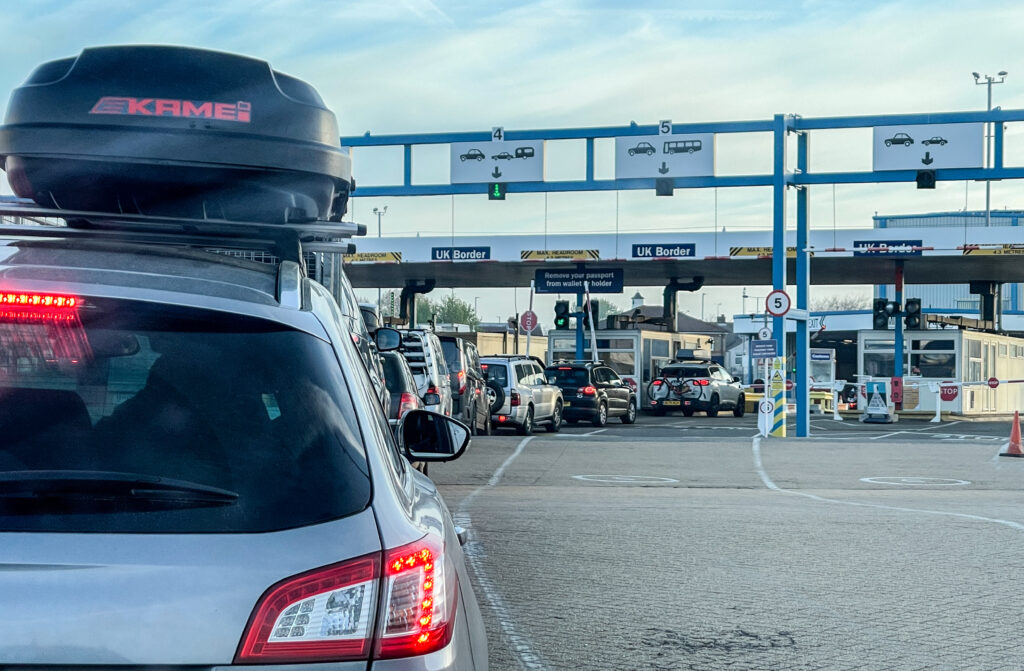
    The European Union’s new Entry and Exit System (EES), due to commence on 12 October 2025, has sparked discussions among travellers, policy experts, and immigration authorities. Designed to strengthen border security across the Schengen Area, the EES aims to improve identification processes, prevent irregular movements, and reduce instances of document and identity fraud. By replacing manual passport stamping with automated biometric checks, the system will record non-EU nationals’ entry and exit data, ensuring stricter enforcement of the 90/180-day travel rule.

    For travellers entering the EU or the Schengen zone, the 90-day rule has long been a fundamental aspect of visa-free travel. This regulation allows citizens from countries such as the United Kingdom, the United States, Canada, Australia, Brazil, and Japan to stay in the EU for up to 90 days within any 180-day period without requiring a visa. The allowance is intended for short-term visits, including holidays, business trips, or family visits, rather than for those seeking to relocate or take up employment within the EU.

    Over the years, the 90-day rule has become a familiar guideline for many non-EU nationals. However, with the introduction of the Entry and Exit System (EES), significant changes are expected in how this rule is enforced. The EES will transform border control by implementing biometric verification and digital tracking to more accurately record entry and exit dates, making it easier for authorities to detect overstays and manage traveller movements across the Schengen zone.

    The EES is designed to make it nearly impossible for individuals to overstay their 90-day limit undetected, ensuring greater compliance with visa regulations and reducing the likelihood of unauthorized stays.

    One of the primary benefits of the EES is its ability to automate the calculation of a traveler’s time spent in the EU. By analyzing entry and exit data, the system can precisely determine if an individual has exceeded the 90-day limit within a 180-day period. This automated process not only enhances security but also minimizes the confusion and errors that can arise from manual passport stamping procedures.

    For most law-abiding visitors adhering to the 90-day rule, the implementation of the EES is expected to streamline their travel experiences and provide a more consistent enforcement of visa regulations across EU member states. The system aims to eliminate discrepancies between countries that rigorously enforce the 90-day rule and those with more lenient approaches, ensuring a standardized approach to monitoring visitors’ stays.

    While the EES primarily targets visa-free travellers, residents and long-term visa holders in the EU are also indirectly affected by the system.

    Residents of EU countries who hold valid residence permits or long-stay visas are exempt from the Entry and Exit System (EES), as they are not subject to the 90-day rule that applies to short-term visitors. However, these individuals are still expected to adhere to the 90-day limit when travelling to other EU countries, despite the practical challenges of enforcing this rule for those not processed through EES checkpoints.

    The introduction of the EES supports the EU’s wider efforts to strengthen border security and enhance immigration control. By incorporating advanced technology and data tracking systems, the scheme represents a major step forward in protecting the EU’s external borders and addressing the risks associated with illegal immigration and overstaying visitors.

    As the EES comes into effect, both travellers and residents will experience a new era of border control and visa compliance across the EU. The system’s influence will extend beyond individual journeys, shaping broader trends in immigration policy and security measures, and reinforcing the EU’s commitment to providing a secure, efficient, and transparent travel framework for all stakeholders.

    The launch of the EES marks a pivotal development in the EU’s border management strategy, ushering in a more sophisticated, data-driven approach to tracking entry and exit activity. As travellers adjust to these new requirements, the core objective remains clear: to improve security, streamline border procedures, and maintain the integrity of EU visa regulations in an increasingly interconnected world.

    Read more

  • EU Fails to Agree on Israeli Suspension from Research Fund over Gaza

    EU Fails to Agree on Israeli Suspension from Research Fund over Gaza

    The European Union’s recent struggle to reach a consensus on suspending Israel from a research fund over the Gaza conflict has sparked a wave of discussions and debates within the EU member states. This contentious issue has brought to light the complexities of international relations, the challenges of balancing political interests, and the ethical considerations surrounding humanitarian crises.

    In a recent meeting, representatives from Germany and Italy expressed the need for more time to examine the Commission’s proposition, delaying a decision that required a qualified majority vote. The dynamics of EU decision-making, where the population weight of key countries like Italy and Germany plays a significant role, have once again come into play, highlighting the intricate web of alliances and interests within the EU.

    The hesitation displayed by Germany and Italy in taking a firm stance on the Israeli suspension issue reflects the delicate diplomatic tightrope that EU member states often find themselves walking. While Germany advocated for continued dialogue with Israel as a preferred approach over immediate action, concerns were raised about the effectiveness of diplomatic talks in addressing the ongoing crisis in Gaza.

    “Germany wanted to continue dialogue with Israel as opposed to taking action – but we all know the dialogue is not working,”

    a source revealed during the meeting, underscoring the underlying tensions and diverging perspectives within the EU regarding the best course of action in response to the Gaza conflict.

    The online community, as evidenced by the 87 upvotes and 115 comments on the Reddit post discussing the EU’s failure to agree on the Israeli suspension, has been actively engaged in dissecting the implications of this decision – or lack thereof. The diverse range of opinions and insights shared by users reflects the multifaceted nature of the issue and the varying perspectives within the European public.

    “It’s concerning to see the EU struggle to take a unified stance on such a critical humanitarian issue. The lack of consensus only prolongs the suffering of innocent civilians in Gaza,”

    commented one user, capturing the frustration and dismay felt by many individuals witnessing the political gridlock over a matter with significant humanitarian consequences.

    The EU’s inability to reach an agreement on the Israeli suspension from the research fund not only highlights the complexities of international diplomacy but also raises broader questions about the EU’s role in promoting peace and stability in conflict-ridden regions. The diverging approaches of member states towards sensitive geopolitical issues like the Gaza conflict underscore the challenges of forging a cohesive foreign policy within the EU framework.

    “The EU’s failure to act decisively on the Israeli suspension issue underscores the need for stronger unity and clarity in addressing international crises. The repercussions of this indecision extend far beyond the realm of EU-Israel relations,”

    remarked a political analyst, shedding light on the far-reaching implications of the EU’s internal discord on global affairs.

    As the discussions surrounding the EU’s stance on the Israeli suspension continue to unfold, it becomes apparent that the decisions made within the EU corridors reverberate far beyond its borders. The intricate interplay of political interests, ethical considerations, and diplomatic intricacies underscores the challenges faced by supranational bodies like the EU in navigating complex geopolitical landscapes.

    In conclusion, the EU’s failure to agree on the Israeli suspension from the research fund over the Gaza conflict serves as a poignant reminder of the intricate balancing act that defines international relations. The diverging perspectives, nuanced debates, and underlying tensions within the EU illuminate the complexities of forging consensus on sensitive issues with far-reaching implications. This episode underscores the pressing need for cohesive foreign policy approaches and strategic unity within the EU to effectively address humanitarian crises and promote peace in conflict-affected regions.

    Read more

  • War in Ukraine Megathread LIX (59)

    War in Ukraine Megathread LIX (59)

    The ongoing conflict in Ukraine has captured global attention, with the Russo-Ukrainian War, commonly known as the Russian invasion of Ukraine, dominating headlines and discussions. As the situation continues to unfold, it is crucial to stay informed through reliable news sources and adhere to the community guidelines set forth for respectful and constructive discourse. This megathread serves as a platform for meaningful discussions and updates on the crisis, emphasizing the importance of maintaining civility and accuracy in information sharing.

    Amidst the chaos and uncertainty, reputable news outlets such as The Guardian, Associated Press, BBC News, Al Jazeera English, and the Financial Times provide valuable insights and updates on the evolving conflict. These sources offer a comprehensive view of the Russo-Ukrainian War, shedding light on the geopolitical implications and human impact of the ongoing crisis. Keeping abreast of the latest developments through these channels is essential for understanding the complex dynamics at play in the region.

    In an effort to promote constructive dialogue and combat misinformation, the extended rules for the r/europe community underscore the importance of respecting all individuals affected by the conflict, regardless of their nationality.

    Hate speech targeting civilians of any nationality involved in the conflict is strictly prohibited

    , emphasizing the need for empathy and sensitivity in discussions. Additionally, the guidelines highlight the significance of verifying information before sharing it, emphasizing the role of reputable sources in combating the spread of unverified reports and false narratives.

    The submission rules for the r/europe front-page serve to filter out irrelevant or potentially misleading content, ensuring that only significant updates and developments in the conflict are shared with the community. By restricting certain domains and content types, the moderators aim to maintain the integrity of discussions and prevent the dissemination of unreliable information. These measures are essential in fostering a safe and informative environment for members to engage in meaningful conversations about the Russo-Ukrainian War.

    As the conflict escalates, the impact on civilians and the urgent need for support become increasingly evident. The influx of refugees fleeing Ukraine underscores the humanitarian crisis unfolding in the region, prompting calls for solidarity and assistance from the international community. Various initiatives and organizations, including those listed in donation threads, offer ways for individuals to contribute to relief efforts and support those affected by the conflict.

    Donations play a crucial role in providing aid and resources to those in need, highlighting the power of collective action in times of crisis

    .

    Navigating the complexities of the Russo-Ukrainian War requires a nuanced understanding of the historical, political, and humanitarian dimensions at play. By engaging with diverse perspectives and reliable information sources, individuals can gain insights into the multifaceted nature of the conflict and its far-reaching implications. As the crisis continues to unfold, staying informed and advocating for peace and justice remain essential pillars of response and solidarity with those affected by the conflict.

    In conclusion, the war in Ukraine represents a stark reminder of the human cost of conflict and the urgent need for global cooperation in addressing crises of this magnitude. By upholding principles of empathy, accuracy, and respect in our discussions and actions, we can contribute to a more informed and compassionate response to the challenges facing Ukraine and its people. As we navigate these turbulent times, let us stand in solidarity with the victims of war and work towards a future marked by peace, reconciliation, and hope for all.

    Read more

  • Who License Epp? Celebrities Who Can’t Drive and Why It Matters

    Who License Epp? Celebrities Who Can’t Drive and Why It Matters

    Have you ever wondered about the driving skills of your favourite celebrities? The article “Who License Epp? Celebrities Who Don’t (or Didn’t) Know How to Drive” by Tuoyo Palmer takes a fascinating look into the lives of famous individuals who have either struggled behind the wheel or never bothered to get a license at all.

    Driving is often seen as a rite of passage, a symbol of freedom and independence. But as Palmer’s piece reveals, not everyone in the spotlight is a confident driver or a driver at all. From award-winning actors to chart-topping musicians, the article explores how some celebrities navigate their fame without ever mastering the road.

    What makes this article stand out is its Nigerian-themed twist. Palmer weaves cultural flair into the narrative, offering readers a refreshing and relatable perspective on the lives of the rich and famous. Through witty storytelling and sharp commentary, the article delivers both entertainment and insight.

    Scattered throughout are real-life anecdotes from chaotic paparazzi chases to comical attempts at parallel parking. These moments offer a lighthearted yet revealing glimpse into the world of celebrity driving. Some stories make you laugh, others make you wonder how certain stars manage their daily lives without such a basic skill.

    Beyond the laughs, Palmer invites readers to reflect on deeper themes. The piece subtly highlights how fame doesn’t always equal self-sufficiency or responsibility. It humanises public figures, reminding us that even the most glamorous faces deal with everyday challenges like anyone else.

    More importantly, the article opens up wider conversations. What does it say about privilege when celebrities bypass basic life skills? How do public figures influence driving culture and safety perceptions? These are meaningful questions hidden beneath the humour.

    Palmer’s Nigerian-inspired storytelling style also bridges cultural gaps. By infusing the piece with local flavour and humour, it resonates not only with a global audience but also celebrates the richness of Nigerian identity. It’s a reminder that good storytelling can cross borders while still feeling deeply personal.

    In the end, “Who License Epp?” is more than a headline, it’s a lens into the unpredictable, often amusing world of celebrity life. With humour, cultural pride, and thoughtful commentary, Tuoyo Palmer delivers a compelling read that stays with you.

    So next time you see a luxury car glide past, remember: not every superstar behind the tinted glass knows how to reverse or parallel park. And maybe; just maybe they’re still waiting for who to license them.

    Read more

Top Categories