

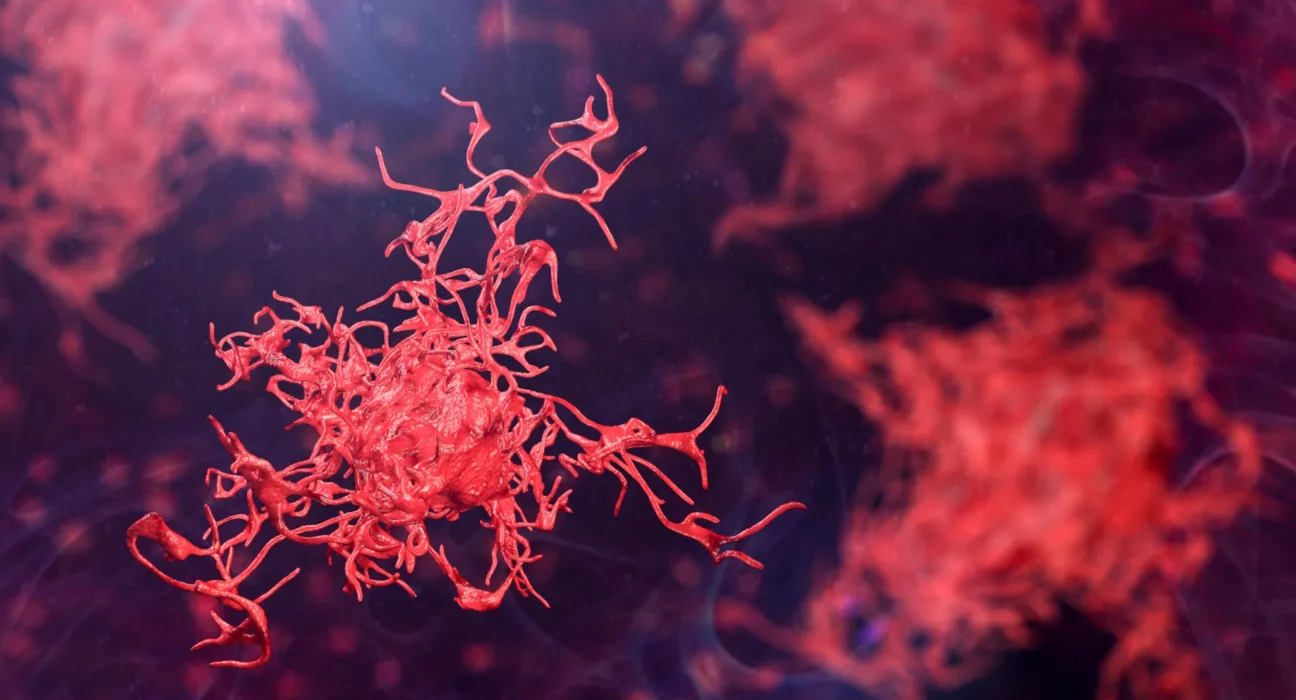
Environmental and public health experts are raising the alarm about the increasing global spread of a lesser-known group of pathogens known as free-living amoebae. These microscopic organisms have caught the attention of researchers due to their potential to pose a significant threat to public health worldwide. In a new perspective published in Bio, scientists are calling for urgent action to address the growing risks associated with these amoebas.
Free-living amoebae are naturally found in various environments such as soil and water bodies. While many species are harmless, some can cause severe infections in humans. One of the most concerning aspects of these amoebas is their ability to survive and thrive in diverse conditions, making them difficult to control and eradicate.
These amoebas are known to cause a rare but deadly brain infection called primary amebic meningoencephalitis (PAM) when individuals come into contact with contaminated water through activities like swimming or using nasal irrigation devices. The infection progresses rapidly and has a high fatality rate, emphasizing the importance of understanding and preventing the spread of these amoebas.
The global spread of free-living amoebae is linked to various factors, including climate change, urbanization, and water quality issues. As temperatures rise and weather patterns shift, the habitats suitable for these pathogens are expanding, increasing the likelihood of human exposure. Additionally, urban development and inadequate water treatment systems can contribute to the contamination of water sources, creating favorable conditions for the proliferation of amoebas.
Scientists emphasize the need for increased surveillance, research, and public awareness to mitigate the risks associated with these amoebas. By monitoring environmental changes, improving water quality management practices, and educating the public on safe water-related behaviors, the spread of these pathogens can be better controlled and prevented.
Efforts to address the global spread of dangerous amoebas require collaboration between researchers, policymakers, and public health officials. By prioritizing research funding, implementing targeted interventions, and enhancing communication strategies, it is possible to reduce the impact of these pathogens on human health and prevent future outbreaks.
In conclusion, the emergence of free-living amoebae as a global health concern underscores the importance of proactive measures to safeguard public health. By recognizing the potential risks posed by these pathogens and taking decisive action, we can work towards a safer and healthier environment for all.
Related Products
Explore these related products: