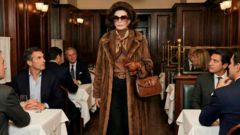


Users of social media – where the marketing campaign has been launched – say it is out of keeping with Gucci’s reputation for luxury.
February 26, 2026
Fashion Giants Embrace Technology, Stirring Debate
As the anticipation builds for Milan Fashion Week, Gucci finds itself at the center of a controversy. The luxury brand has unveiled a series of AI-generated images intended to promote its upcoming show, sparking criticism and raising questions about the role of technology in fashion.
AI’s Role in Fashion Promotion
Gucci’s choice to utilize artificial intelligence for their promotional materials has ignited a discussion among fashion aficionados and industry professionals. The images, shared across social media platforms, feature AI-rendered depictions of Italian elegance, yet they have been met with skepticism. Detractors argue that the use of technology undermines Gucci’s commitment to celebrating genuine creativity and Italian craftsmanship.
One particularly vocal critic lamented the absence of authentic human representation, expressing disappointment that Gucci did not feature a real Milanese grandmother in a vintage ensemble from the 1970s. This sentiment underscores a broader unease with what some label as “AI slop”—a phenomenon describing the proliferation of low-quality, AI-produced content.
Past Ventures and Industry Trends
Gucci is not new to the adoption of digital innovation. The brand has previously commissioned digital artists to craft AI-generated visuals, some of which have been auctioned as non-fungible tokens. In a prior campaign, Gucci released an AI-enhanced video showcasing a model on the runway, a spectacle that was as much a commentary on technology as it was on fashion.
Other fashion powerhouses like Valentino and H&M have similarly dabbled in AI, citing these ventures as explorations of creative potential. Nonetheless, the reception of such initiatives remains mixed, with luxury brands particularly scrutinized for how these technological tools align with their reputational ethos.
Expert Opinions and Market Implications
Dr. Priscilla Chan, of Manchester Metropolitan University’s Fashion Institute, warns of the risks associated with over-reliance on technology for brand marketing. While previous tech-driven campaigns have yielded positive publicity, she cautions that AI could conversely result in negative perceptions if not carefully managed.
Some social media commentators, however, have praised Gucci’s AI endeavors, claiming the brand successfully encapsulates “Milano glam” through its digital lens. Photographer Tati Bruening, known for her substantial following on TikTok, suggests that AI can coexist within the creative ecosystem if used judiciously for tasks like retouching or mood board creation. She theorizes that Gucci’s campaign might intentionally provoke discourse on luxury’s definition in the age of AI, potentially serving as a satirical commentary rather than a straightforward promotional effort.
As the fashion world continues to grapple with technological integration, Gucci’s latest venture will likely fuel ongoing debate about the intersection of tradition and innovation. Whether this blend enriches or dilutes the essence of luxury fashion remains a question for the industry to answer.
Originally reported by bbc.com. Rewritten by 360DailyTrend editorial staff.