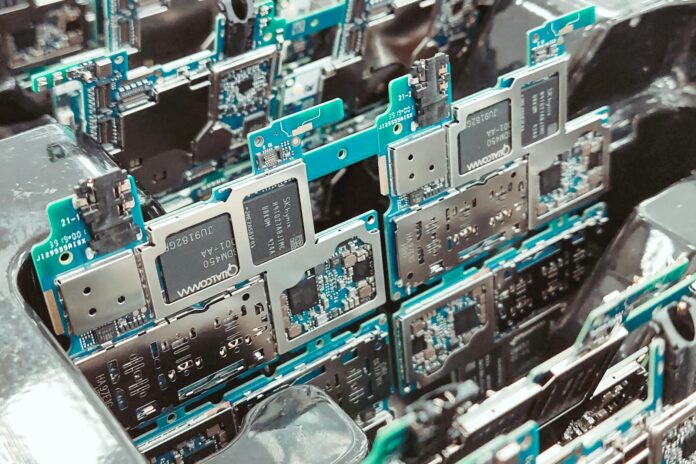


In January, Qualcomm hinted to The Verge that it might finally bring its powerful Arm-based Snapdragon processors to Windows gaming handhelds at the 2026 Game Developers Conference in San Francisco – just in time to challenge Nvidia’s own first Arm gaming CPU and Intel’s first dedicated handheld gam
February 26, 2026
Qualcomm’s Strategic Pivot
In a surprising turn of events, Qualcomm has decided to postpone its highly anticipated announcement regarding the integration of its Snapdragon processors into Windows gaming handhelds. Originally scheduled to unveil these advancements at the 2026 Game Developers Conference (GDC) in San Francisco, Qualcomm’s revised plans suggest a strategic recalibration amidst industry challenges and evolving market dynamics.
The Competitive Landscape
This delay occurs as the tech world eagerly anticipates Nvidia’s debut of its Arm gaming CPU, alongside Intel’s venture into dedicated handheld gaming chips. Qualcomm’s Snapdragon processors have been a cornerstone in mobile computing, and their potential expansion into gaming handhelds marks a significant milestone that could redefine the competitive landscape. However, unforeseen obstacles have necessitated a reevaluation of their rollout strategy.
Supply Chain Constraints and Market Volatility
The global semiconductor shortage, colloquially referred to as “RAMageddon,” has profoundly impacted Qualcomm’s decision-making process. During Qualcomm’s February earnings call, President and CEO Cristiano Amon highlighted a substantial decline in their chip business, attributing it entirely to memory shortages. This scarcity has been exacerbated by the burgeoning demand from the artificial intelligence sector, which continues to strain supply chains.
Amon’s sentiments were echoed by Qualcomm CFO Akash Palkhiwala, who noted a noticeable reduction in manufacturing output as device makers grapple with limited memory availability. This industry-wide bottleneck has not only influenced Qualcomm’s plans but has also affected major players like Valve and their Steam Deck, which faces persistent stock shortages due to similar constraints.
Microsoft’s Role and Strategic Considerations
Qualcomm’s collaboration with Microsoft on previous Windows on Arm projects adds another layer of complexity to the situation. Microsoft, with its new leadership in gaming, is currently realigning its strategic direction for Xbox, which could influence the timing and nature of Qualcomm’s announcements. As partners, their coordinated efforts are crucial for the successful deployment of Arm-based gaming devices running Windows.
Future Prospects and Industry Implications
Despite these setbacks, the potential for Arm-based gaming devices remains promising. Companies like Valve are at the forefront of adapting Windows games for Arm architecture, showing promising early results. As the industry navigates these turbulent times, the eventual introduction of Qualcomm’s technology could revolutionize the gaming sector, offering enhanced performance and new possibilities for gamers worldwide.
Looking ahead, the semiconductor shortage is expected to persist, with significant impacts on global smartphone shipments and pricing strategies. As companies like Samsung adjust their product offerings in response to these pressures, the tech industry continues to adapt to the rapidly changing landscape.
Ultimately, while Qualcomm’s delay may be a temporary setback, it underscores the broader challenges and opportunities facing the technology sector as it endeavors to innovate amidst unprecedented supply chain disruptions.
Originally reported by theverge.com. Rewritten by 360DailyTrend editorial staff.