Tag: Health

  • FDAs Controversial Move Examining Fluoride Supplements Impact on Childrens Health

    FDAs Controversial Move Examining Fluoride Supplements Impact on Childrens Health

    Fluoride has long been a hot topic in the world of public health. Its role in preventing dental cavities, especially in children, has been extensively researched and proven effective. From municipal water supplies to toothpaste and dietary supplements, fluoride has become a staple in oral health care products. But like any intervention, it comes with its own set of risks.

    “One of the most important lessons from the Covid-19 experience is that absolutes in scientific discourse are the exception.”

    The Food and Drug Administration (FDA) plays a crucial role in ensuring the safety and efficacy of fluoride-containing drugs and supplements through rigorous scientific analysis and post-marketing surveillance. However, recent FDA announcements about removing fluoride supplements from the market have sparked controversy and raised questions about the decision-making process.

    The FDA’s Premature Decision

    In May, the FDA made headlines by declaring its intention to pull ingestible fluoride prescription drug products off the shelves after completing a safety review. This move triggered debates within both the scientific community and among stakeholders who advocate for or challenge fluoride supplementation.

    “What is the point of a safety review if the agency has already made up its mind?”

    Critics argue that such preemptive actions undermine the essence of scientific inquiry and transparency. Instead of rushing into conclusions, there are calls for leveraging new technologies like artificial intelligence tools to conduct comprehensive safety assessments.

    Debating Unapproved Prescription Drugs

    A significant part of this debate revolves around unapproved prescription fluoride products marketed without FDA endorsement but available through licensed health care providers. These products have historical roots dating back to an era when approval processes were less stringent than they are today.

    “Prescription fluoride drops and tablets for ingestion were first marketed in … prevent dental caries.”

    While some argue for their continued use based on anecdotal evidence of efficacy, others stress the need for thorough reviews considering potential risks associated with prolonged exposure to fluoride at certain concentrations.

    The Need for Informed Decision-Making

    Public health decisions should ideally be anchored in solid scientific evidence rather than emotional anecdotes or political pressures. With states reconsidering adding fluoride to water supplies, alternative strategies must be explored to safeguard children’s oral health effectively.

    “Actions based on anecdotal evidence are actions based on emotion rather than science.”

    Moving forward, there is a growing consensus that nuanced discussions involving all stakeholders—from experts advocating for fluoride supplementation benefits to skeptics highlighting potential risks—are essential before making any sweeping regulatory changes.

    Expert Insights:

    Dr. Amanda Roberts, a leading pediatric dentist specializing in preventive dentistry:
    “The ongoing debate surrounding fluoride underscores how crucial it is to balance benefits with potential risks, especially when it comes to children’s health. A collaborative approach involving diverse perspectives can pave the way for informed decisions.”

    As conversations continue regarding FDA’s stance on removing ingestible fluoride products from circulation, one thing remains clear—ensuring optimal oral health outcomes requires a delicate blend of science-backed policies and public engagement.


  • The Mystery of the Nine-Million-Year-Old Tomato

    The Mystery of the Nine-Million-Year-Old Tomato

    What if I told you that a potato is actually a nine-million-year-old tomato? Sounds unbelievable, right? But let’s dive into this fascinating journey of botanical history where things are not always what they seem.

    Legend has it that the humble potato, a staple in many diets across the globe, has a surprising and ancient connection to tomatoes. Scientists have unraveled an intriguing genetic link between these two seemingly unrelated vegetables. It all goes back millions of years when our planet was a very different place.

    Unveiling Ancient Connections

    In the world of botany, plants often hold secrets that challenge our perceptions. The story of the potato and tomato takes us on a voyage through time, back to an era when continents drifted and climates shifted. During this period of transformation, plants adapted in remarkable ways to survive and thrive.

    Imagine lush landscapes teeming with diverse flora, each species evolving its own unique characteristics. It was amidst this rich tapestry of biodiversity that the ancestors of modern-day potatoes and tomatoes shared a common heritage. Through intricate genetic analysis, researchers have uncovered the hidden ties that bind these two botanical cousins together.

    Ancient Ancestors

    Picture ancient plant progenitors spreading their roots across prehistoric lands, navigating changing environments with resilience and ingenuity. These early ancestors laid the foundation for today’s agricultural marvels, sustaining civilizations and shaping culinary traditions around the world.

    As centuries passed and human societies flourished, so too did the cultivation of potatoes and tomatoes. From Andean fields where potatoes were first domesticated to Mediterranean regions where tomatoes found their place in cuisines, these crops became integral to global gastronomy.

    Expert Insights

    Dr. Botanica Greenthumb, renowned botanist and plant historian, sheds light on this botanical enigma: “The connection between potatoes and tomatoes reveals nature’s intricate complexities. Evolutionary pathways often surprise us with their twists and turns, showcasing the remarkable adaptability of plants over millennia.”

    Through Dr. Greenthumb’s research, we gain a deeper understanding of how plant species interconnect across time and geography. The story of the nine-million-year-old tomato challenges us to rethink conventional boundaries in botany and appreciate the intertwined evolution of plant life on Earth.

    Culinary Convergence

    Beyond scientific intrigue lies a tantalizing realm where flavors merge and culinary creativity blossoms. Potatoes find themselves roasted to perfection or mashed into creamy delights alongside juicy grilled tomatoes bursting with freshness.

    From classic French fries served with ketchup to Italian pasta sauces brimming with diced tomatoes and potatoes simmering in hearty stews worldwide cuisine owes much to these versatile vegetables’ shared ancestry.

    As we savor dishes crafted from these botanical siblings’ bounties let us pause to ponder their extraordinary journey through time from primordial pasts to present palates laden with history flavor.

  • Modernas Workforce Reduction CEO Explains Layoffs Amid Vaccine Challenges

    Modernas Workforce Reduction CEO Explains Layoffs Amid Vaccine Challenges

    In the bustling world of biotechnology, where groundbreaking innovations and life-saving discoveries are constantly being pursued, even successful companies like Moderna can face challenging times. The recent announcement made by Moderna regarding the layoff of 10% of its workforce has sent ripples through the industry.

    The Restructuring Decision

    Moderna, a key player in the vaccine business, is no stranger to adapting to changes in the market landscape. With over 500 employees being affected by this decision, it’s evident that significant adjustments are underway within the company. These layoffs come as part of a broader effort to streamline operations and reduce costs amid regulatory hurdles and stiff competition.

    A Move Towards Efficiency

    Throughout this year, Moderna has been strategically trimming various aspects of its operations, including research and manufacturing expenses. By aiming to slash annual operating expenses by $1.5 billion by 2027, the company is clearly focused on optimizing its financial health for long-term sustainability.

    Expert Insights:

    Industry analysts suggest that such measures are often taken by companies looking to stay agile in a rapidly evolving sector like biotechnology. “Moderna’s decision reflects a common strategy among biotech firms facing economic pressures,” notes Dr. Catherine Wong, a leading researcher in pharmaceutical economics.

    CEO’s Communication

    Stéphane Bancel, Moderna’s CEO, conveyed his message with empathy and transparency as he addressed employees about these unfortunate layoffs. In an internal note shared with STAT+, Bancel acknowledged the emotional impact such decisions have on staff members: “Every effort was made to avoid affecting jobs,” he emphasized.

    Bancel highlighted the necessity of aligning Moderna’s cost structure with market realities: “I know this is a difficult moment for the company. We all feel a range of emotions whenever we have to say goodbye to colleagues.” Such candid communication from top leadership underscores the human aspect behind corporate restructuring efforts.

    A Path Forward

    As Moderna navigates these turbulent waters, it stands firm on its commitment to innovation and public health impact through vaccine development. The company’s resilience in facing challenges head-on is mirrored in its robust research pipeline and strategic partnerships aimed at addressing global healthcare needs.

    With each employee playing a crucial role in advancing Moderna’s mission, these transitional phases serve as opportunities for growth and adaptation within the organization. As uncertainties loom over the biotech industry, resilience coupled with strategic decision-making will be paramount for companies striving for continued success amidst adversity.

    The story of Moderna’s recent layoffs serves as a poignant reminder of the intricate balance between financial viability and human impact within corporate environments – where tough choices must sometimes be made in pursuit of long-term sustainability and growth.

  • President Trumps Bold Move Demanding Pharma Companies to Lower Drug Prices

    President Trumps Bold Move Demanding Pharma Companies to Lower Drug Prices

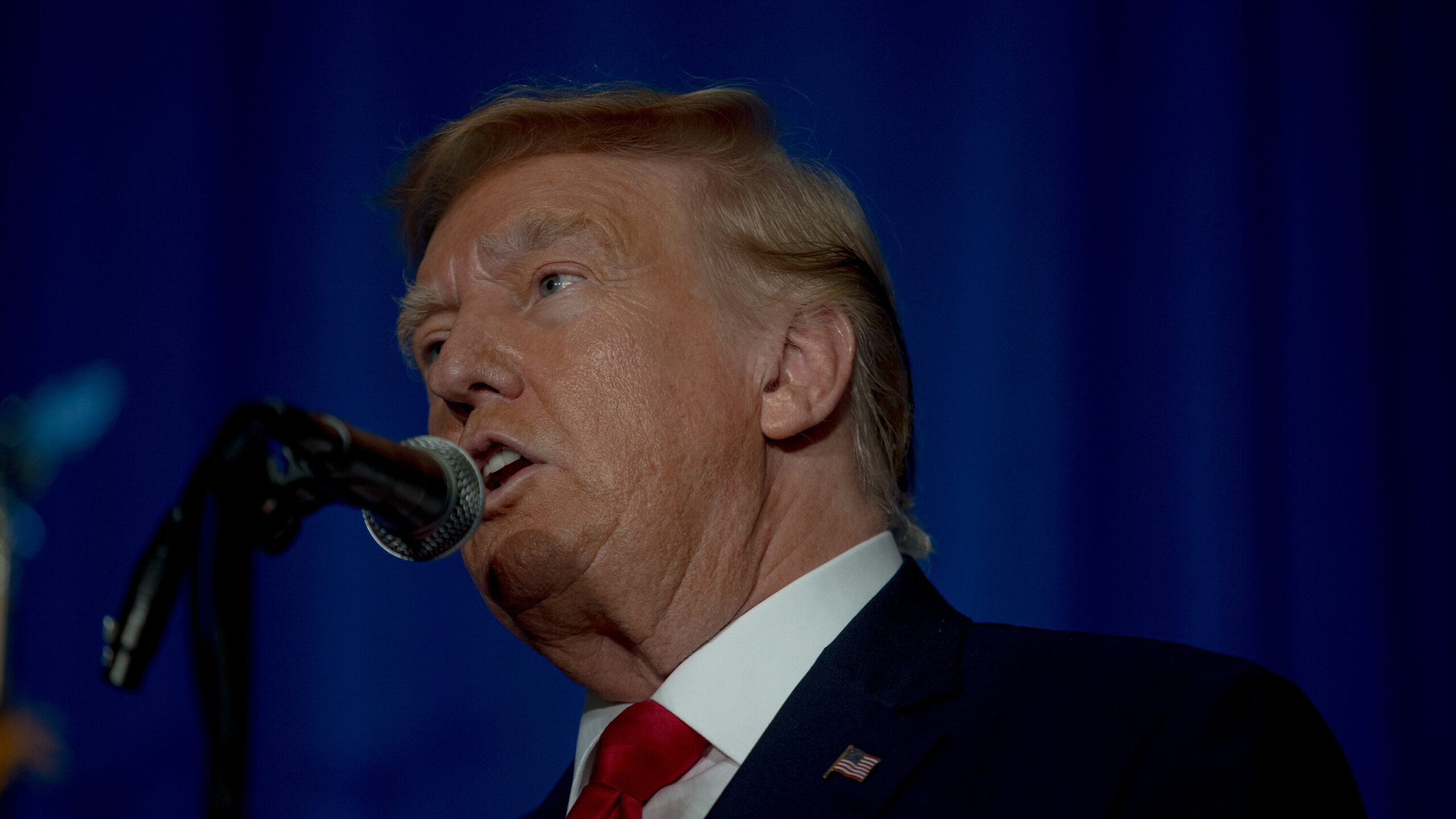
    President Trump recently made headlines by ramping up his demands for pharmaceutical companies to reduce drug prices in the United States. In a strategic move, he sent letters to 17 major drug companies, urging them to align their pricing with what other countries pay for medications. The president set a deadline of September 29 for these companies to take action.

    Championing Fair Pricing

    In his letters, President Trump outlined specific requests, including providing their full range of drugs to Medicaid patients at prices comparable to those in other affluent nations. He also emphasized the importance of ensuring that new drugs are accessible at reduced rates for Medicare, Medicaid, and commercial payers. Additionally, he called for the implementation of direct-to-consumer distribution models for high-volume drugs with substantial rebates.

    Expert analysts suggest that Trump’s push for most-favored nation drug pricing has been an ongoing mission since his first term in office. This renewed effort aligns with his administration’s goal of making healthcare more affordable and accessible to all Americans.

    Industry Response and Challenges

    Following the issuance of the letters, pharmaceutical giant Pfizer expressed its commitment to collaborating with the administration towards enhancing patient access and affordability. While praising the discussions as productive, Pfizer underscored its dedication to supporting innovation within the biopharmaceutical sector.

    However, not all stakeholders shared this optimistic outlook. The Pharmaceutical Research and Manufacturers of America (PhRMA) cautioned against drastic price reductions as proposed by President Trump. They argued that such actions could have adverse effects on American leadership in healthcare and potentially harm patients and industry workers.

    Uncertainties and Implications

    Despite Trump’s firm stance on lowering drug prices through international benchmarks like OECD countries’ pricing levels relative to GDP per capita, questions linger regarding the practical enforcement mechanisms. The absence of clear directives from the government has left many wondering about the exact strategies that will be employed to ensure compliance from pharmaceutical companies.

    Critics have pointed out potential challenges associated with implementing such sweeping changes in drug pricing policies. Analysts like David Risinger raised concerns about the feasibility of Trump’s demands, citing detrimental impacts on U.S.-based pharmaceutical firms’ competitiveness globally, especially against emerging players like China’s biopharma industry.

    Innovative Solutions Emerging

    Interestingly, some pharmaceutical companies had already begun exploring alternative pricing models even before Trump’s latest directives. Companies like Eli Lilly and Novo Nordisk had initiated selling certain medications directly to consumers at discounted rates compared to list prices.

    Moreover, recent announcements from Bristol Myers Squibb and Pfizer indicate a shift towards selling specific drugs at reduced prices directly to patients. These proactive measures suggest a willingness within the industry to adapt their business models in response to evolving market dynamics and regulatory pressures.

    Overall, President Trump’s bold stance on driving down drug prices is sparking intense debates within both political circles and the pharmaceutical landscape. As stakeholders navigate these uncharted waters, only time will reveal how this ambitious endeavor shapes the future of healthcare accessibility and affordability for millions of Americans.

  • A Great Loss to Global Health Remembering David Nabarro

    A Great Loss to Global Health Remembering David Nabarro

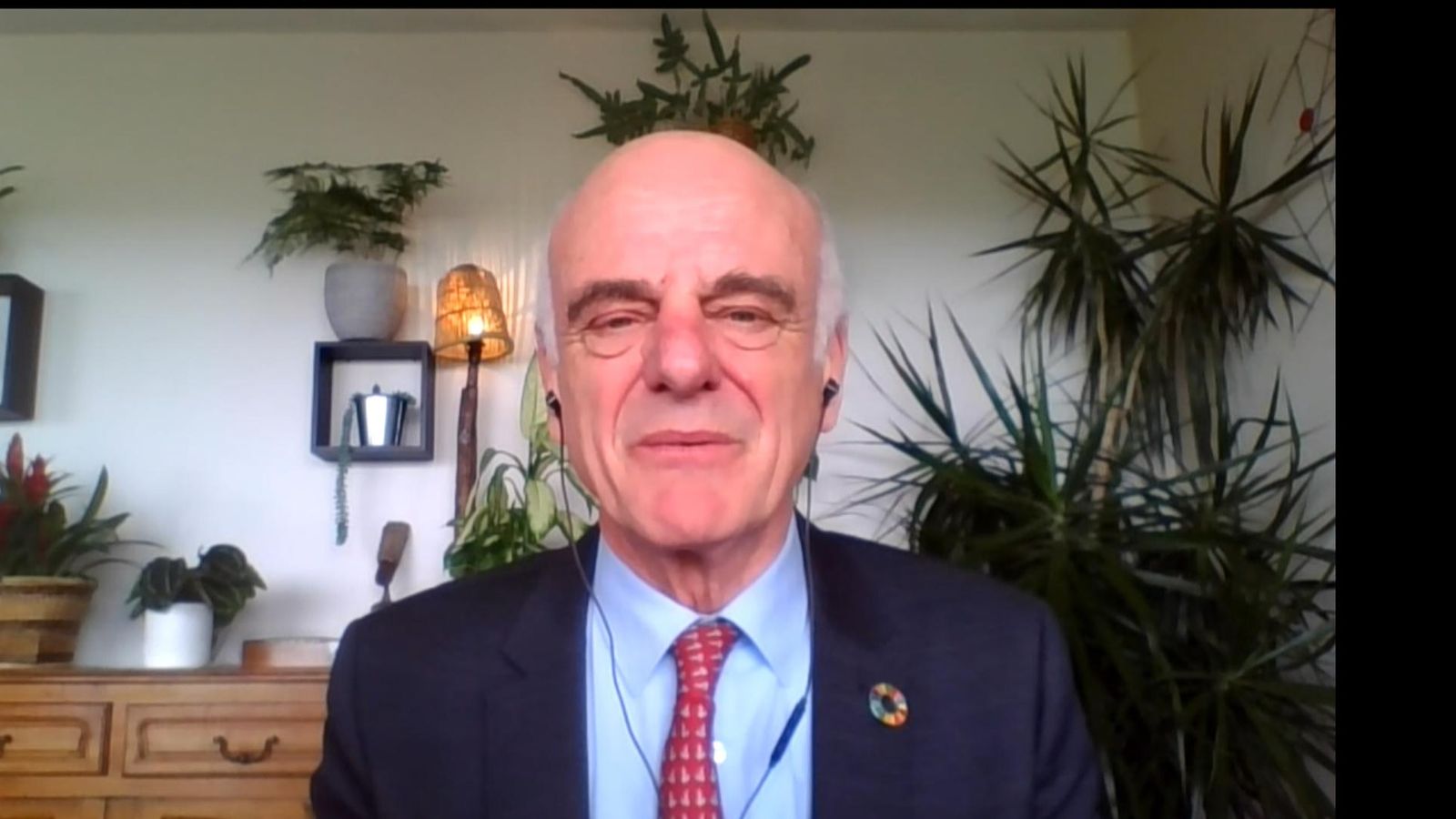
    It is a somber moment as we remember the remarkable life and legacy of Dr. David Nabarro, who passed away at the age of 75. His impact on global health and humanitarian efforts will forever be remembered and cherished by those who had the privilege to work alongside him.

    Remembering a Champion

    Dr. Nabarro was a pivotal figure at the World Health Organization (WHO), where his dedication spanned crucial areas such as malaria control, humanitarian crisis response, and outbreak management. He was not just a colleague but a mentor and friend to many in the field, known for his vision, compassion, and unwavering commitment to equity in health care.

    A Versatile Leader

    Throughout his illustrious career, Dr. Nabarro wore many hats with grace and expertise. From leading initiatives combating infectious diseases like Ebola to advocating for sustainable development goals, he left an indelible mark on every project he undertook.

    An Inspiring Journey

    His journey was one of service and leadership that extended beyond borders. Whether it was addressing food security issues or spearheading climate change discussions, Dr. Nabarro’s influence knew no bounds. His accolades, including being knighted by King Charles III for his contributions to global health, stand as testaments to his dedication.

    A Lasting Impact

    As WHO’s Special Envoy on COVID-19 during challenging times, Dr. Nabarro led with strategic foresight and compassion. His legacy lives on through various initiatives he championed that continue to shape public health policies worldwide.

    Expert Analysis:

    Reflecting on Dr. David Nabarro’s vast contributions over the years reveals a profound commitment to improving global health outcomes through collaboration and innovation.

    The outpouring of tributes following his passing underscores the deep respect and gratitude felt by colleagues and mentees whose lives were touched by his wisdom.

    Dr.Nabarro’s multidisciplinary approach towards addressing complex health challenges serves as a model for aspiring leaders in the field of public health.

    In Conclusion:

    As we bid farewell to this extraordinary individual who dedicated his life to serving humanity, let us carry forward Dr.Nabarro’s spirit of compassion, resilience,and determination in our own endeavors within the realm of global healthcare.

  • State Laws Target Food Dyes MAHA Movement Sparks Regulation Enthusiasm

    State Laws Target Food Dyes MAHA Movement Sparks Regulation Enthusiasm

    Do you ever wonder what’s in your food? A recent surge in state legislation is aiming to provide more clarity on just that. From Red No. 3 to Blue 1 and Yellow 6, synthetic food colorings are under the microscope as lawmakers push for increased transparency and safety in our food supply.

    Meet Jensen Jose, a policy counsel for the Center for Science in the Public Interest. It’s his job to keep tabs on food policy laws, but this year has been particularly challenging with the flood of bills targeting food additives across various states. “There’s a lot of bills out there,” Jose remarks, reflecting on the sheer volume of proposals being put forward by policymakers from all political backgrounds.

    The movement gaining momentum behind these legislative efforts is none other than MAHA – Make America Healthy Again. Spearheaded by President Trump and Health and Human Services Secretary Robert F. Kennedy Jr., this initiative has galvanized not only public opinion but also conservative lawmakers traditionally averse to regulatory measures.

    State-Level Initiatives

    Arizona and Utah have already enacted laws eliminating dyes and certain additives from school meals, while Texas is opting for warning labels on products containing specified additives flagged as unsuitable for human consumption by global health authorities. These steps mark significant progress in addressing consumer concerns over potentially harmful chemicals lurking in everyday foods.

    As Jose observes, consumer dissatisfaction with federal inertia coupled with a newfound bipartisan focus on health have propelled many states to take matters into their own hands regarding food additive regulation. The clamor for action stems from a growing demand for greater oversight and accountability within the food industry.

    Expert Insights

    While advocating for the removal of harmful additives, such as those linked to health issues, Jose also cautions against overly broad policies that could encroach upon scientifically supported practices. He raises concerns about conflating legitimate health concerns with unfounded claims perpetuated through social media channels – a phenomenon that extends beyond dietary regulations into areas like vaccines and drug efficacy.

    John Hewitt, representing the Consumer Brands Association, emphasizes the need for consistency in regulations governing food dyes at a national level. With major players like Nestle, Kraft Heinz, Kellogg (think Froot Loops), and leading ice cream brands already committing to phasing out artificial dyes due to consumer demand, there’s a call for uniform standards that won’t burden manufacturers with state-specific requirements.

    The Road Ahead

    Despite strides made at the state level, achieving widespread reform may necessitate federal intervention through revamped FDA guidelines encompassing all synthetic dyes beyond Red No. 3. Industry expert Steve Mandernach anticipates an eventual return to national oversight as disparate state mandates pose logistical challenges for companies navigating regional differences in ingredient regulations.

    For consumers advocating stricter controls on food dyes, pushing regulatory bodies like the FDA towards comprehensive action may pave the way towards safer nutritional choices down the line – though implementing such changes across industries deeply entrenched in conventional practices won’t happen overnight.

Top Categories